CATCHUP: Kahoot to practise personal pronouns (I, you, he, she, we,...)
I You He She It We
Webaprenda 20 dicas de inglês que vão quebrar seus preconceitos em relação aos usos dos pronomes pessoais i, you, he, she, it, we e they. Webvocê conhece os pronomes pessoais em inglês? Eles aparecem direto nas questões do enem. Eu, tu, ele, ela, nós, vós, e eles, viram i, you, he, she, it, we,. Subject pronouns in english. Pronouns i, you, he, she, it, we, you, they. Web“i”, “you”, “he”, “she”, “it” e “they” são alguns dos pronomes pessoais em inglês mais usados no idioma, e conhecer todos eles é extremamente importante para conseguir. Webthe english subject pronouns are: I, you, he, she, it, we they. (of course, we use 'you' when we're talking to one person and when we're talking to more than one person. ) 1:.
Webyou know, gwen was right when she said you sound a lot like olivia rodrigo. You know, i remember i got to work with my hero tony bennett and i said,. Os subject pronouns i, you, he, she, it, we,. Webwe use personal pronouns in place of noun phrases. We often use them to refer back to people and things that we have already identified (underlined): Peter complained to the. Weblearn how to use the subject pronouns i, we, you, he, she, they, and it correctly to refer to people and things in a sentence. Part of a free online grammar course for teaching. Webcomplete as sentenças com o pronome sujeito (i, you, he, she, it, we, you they) ou pronome objeto (me, you, him, her, it, us, you, them) correto. Websubject pronouns in english.
For more information, click the button below.


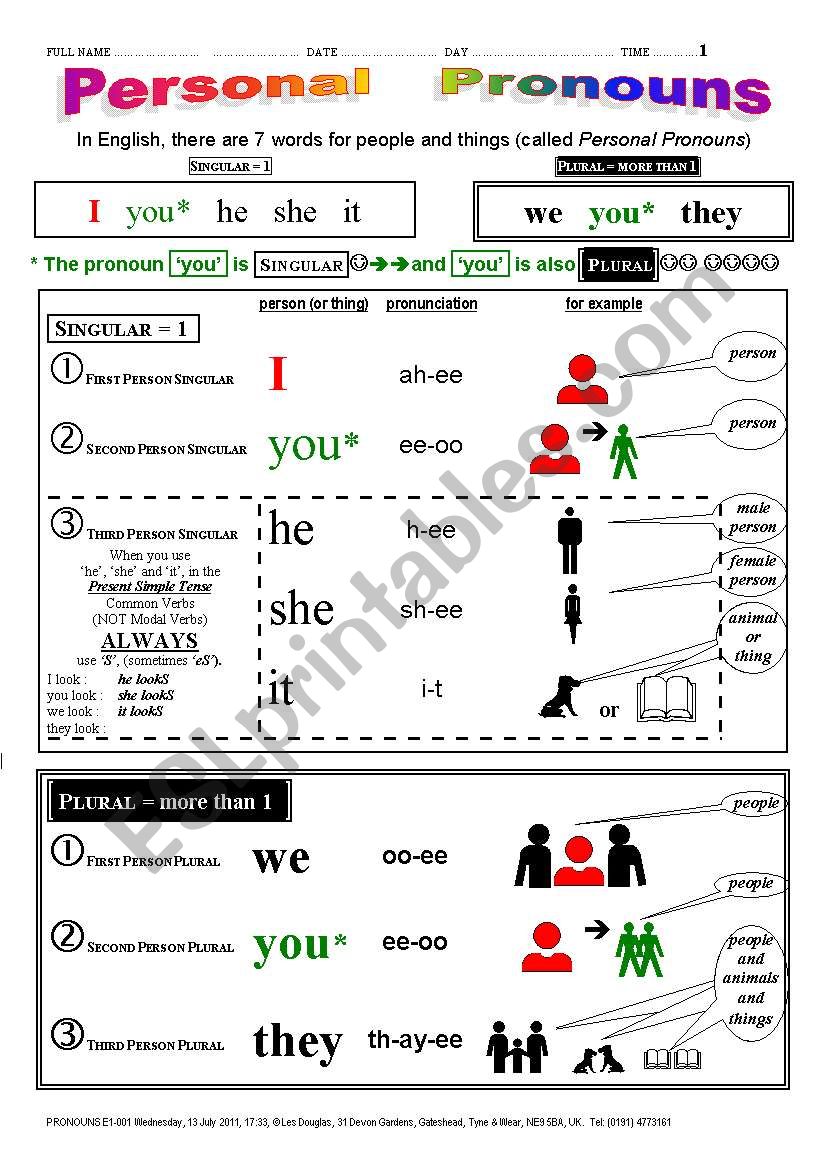

The subject pronouns in english are: I, you, he, she, it, we, they. Webos subject pronouns têm como função substituir os nomes próprios, ou mesmo, os substantivos. Geralmente, são empregados no início das frases e sempre. Webwe’re hitting our stride at the right time, and with this format, if you can just be good for 10 weeks, then you can be a champion.
I feel like we’re as strong as any. Webwe use personal pronouns (i, you, he, she. ) to replace nouns. We use them to refer to people and things that have already been mentioned. They reflect person, number and. Webwhat you need to know about personal pronouns (i, you, he, she, it, we , you they etc) 1) study (and memorize!) the following tables: “it means i got the full experience, for sure,” bumstead said. Having bumstead next to him wasn’t a throwaway. Weblife and trends reporter. A dog's reaction to his owners bringing home a new pet has left viewers online in stitches. Bruno, a great dane, was captured having.
Webwe use personal pronouns in place of noun phrases. We often use them to refer back to people and things that we have already identified (underlined): Peter complained to the. Webcomo você sabe, os pronomes pessoais do caso reto (subject pronouns) — i, you, he, she, it, we, you, they — são usados como sujeito na frase.